The Importance of Networking in Your 40s and 50s
As we navigate our 40s and 50s, the significance of networking becomes increasingly apparent. This article explores the reasons why building and maintaining connections during this phase of life can be beneficial both personally and professionally.
Why Networking Matters
Networking is often defined as the process of establishing and nurturing professional and personal relationships. According to research from the Harvard Business Review, individuals who prioritize networking can see significant returns in their career satisfaction and opportunities. In fact, studies show that networking can lead to job opportunities that are not publicly advertised, helping individuals in their 40s and 50s remain competitive in the job market.
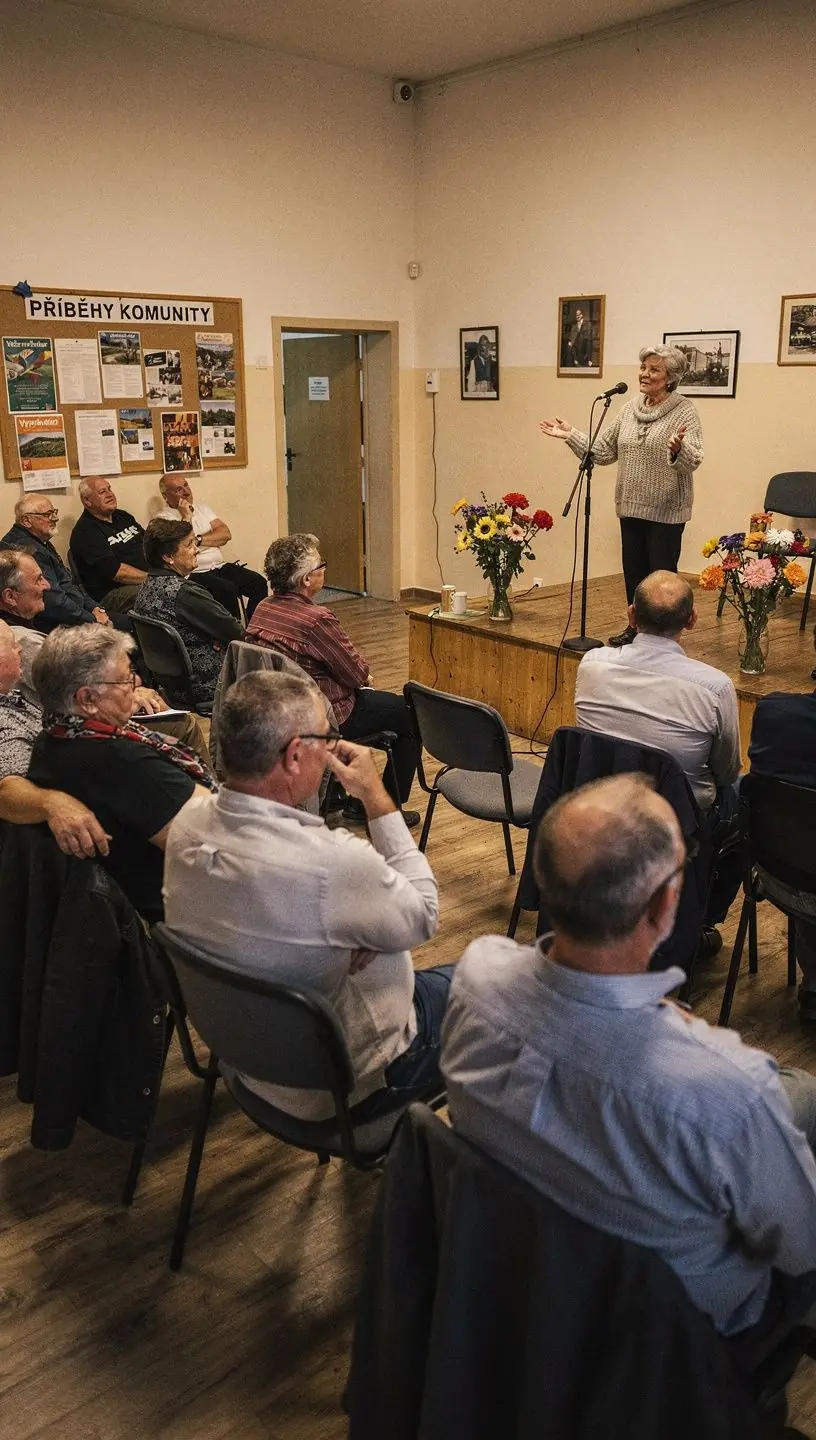
"Networking is not just about what you know; it's about who you know, and how you can leverage those connections."
The Benefits of Networking
Engaging in networking can yield several advantages:
- Access to Opportunities: Many job openings and events are available through referrals rather than traditional job postings. In many cases, opportunities arise from connections rather than applications alone.
- Knowledge Sharing: Networking allows individuals to share insights and experiences. According to experts, this exchange can lead to improved understanding of industry trends and personal growth.
- Support Systems: Building a network provides emotional and professional support. Many users report feeling more confident and empowered with a strong network behind them.
How to Network Effectively
Effective networking requires intention and effort. Here are some strategies to consider:
- Attend Events: Join local meetups, workshops, or clubs that align with your interests. Engaging in activities such as board games or live music events can facilitate natural connections.
- Follow Up: After meeting someone, make it a point to follow up with a message or an email. This helps solidify the connection and opens the door for future interactions.
- Leverage Online Platforms: Utilize social media and professional networking sites like LinkedIn. Connecting with peers online can complement in-person efforts and broaden your reach.
Acknowledge the Limitations
While networking can be extremely beneficial, it is important to acknowledge that it requires time and effort. Building meaningful relationships typically takes several interactions, and results may not be immediate. According to networking experts, cultivating a strong network usually involves a commitment of several months to see substantial results.
Conclusion
Networking in your 40s and 50s can offer numerous advantages, from access to job opportunities to personal development. By engaging with your community through events and online platforms, you can cultivate a valuable network that supports your goals. Remember, the process may require patience and commitment, but the potential benefits make it a worthwhile endeavor.