Tips for Hosting an Inclusive Community Meetup
Hosting a community meetup can be a rewarding experience that fosters connections and builds relationships. However, creating an inclusive environment is essential for ensuring that everyone feels welcome and valued. This article explores practical tips for organizing an inclusive meetup that resonates with participants, especially for the 40-60 age group in the Czech Republic.
Understanding Inclusivity
Inclusivity in community meetups refers to the effort to ensure all participants, regardless of their backgrounds or abilities, can engage and feel valued. According to research, inclusive practices can enhance group cohesion and participation by as much as 30% in similar settings. Establishing an inclusive environment not only benefits individuals but also enriches the community as a whole.
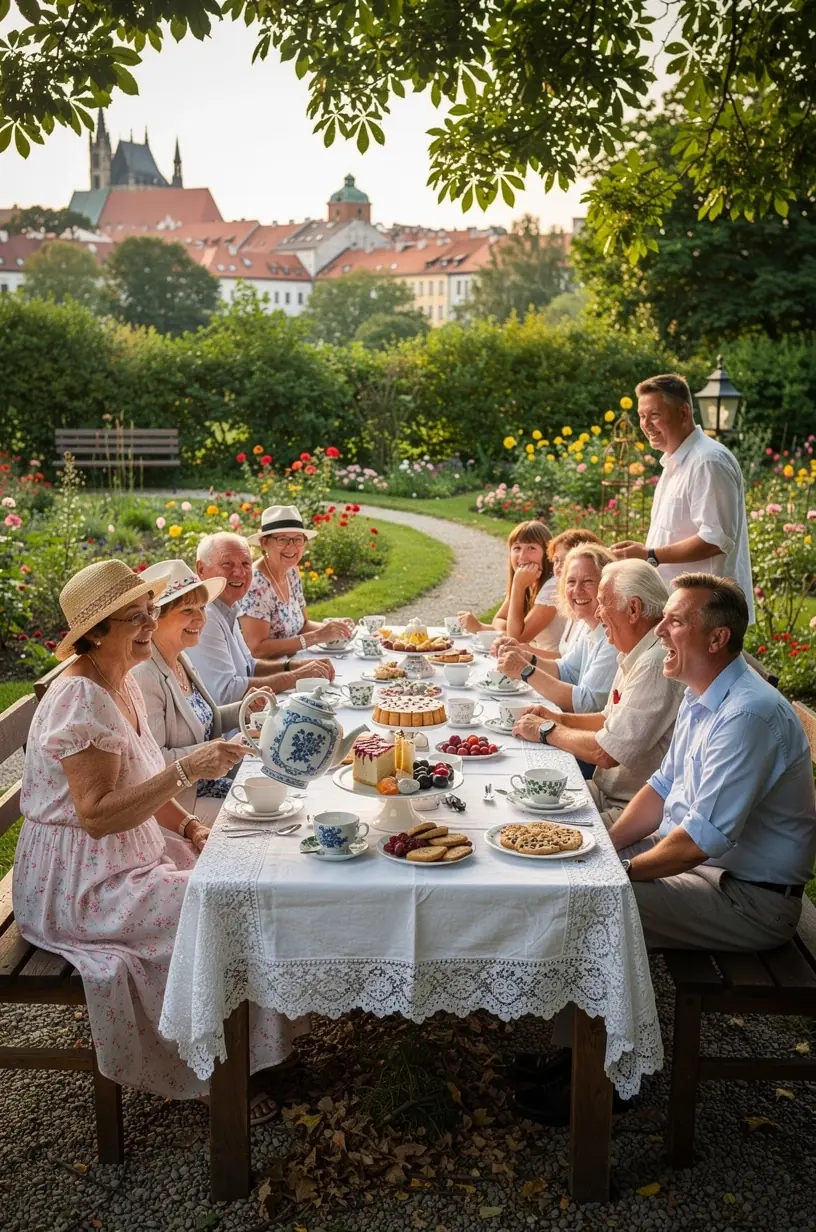
"Inclusivity is not just about inviting people; it's about creating a space where everyone feels they belong." – Community Engagement Expert
Practical Tips for Your Meetup
- Choose an Accessible Venue: Select a location that is easily accessible by public transport and wheelchair-friendly. Research indicates that venues that accommodate all physical abilities can lead to increased attendance.
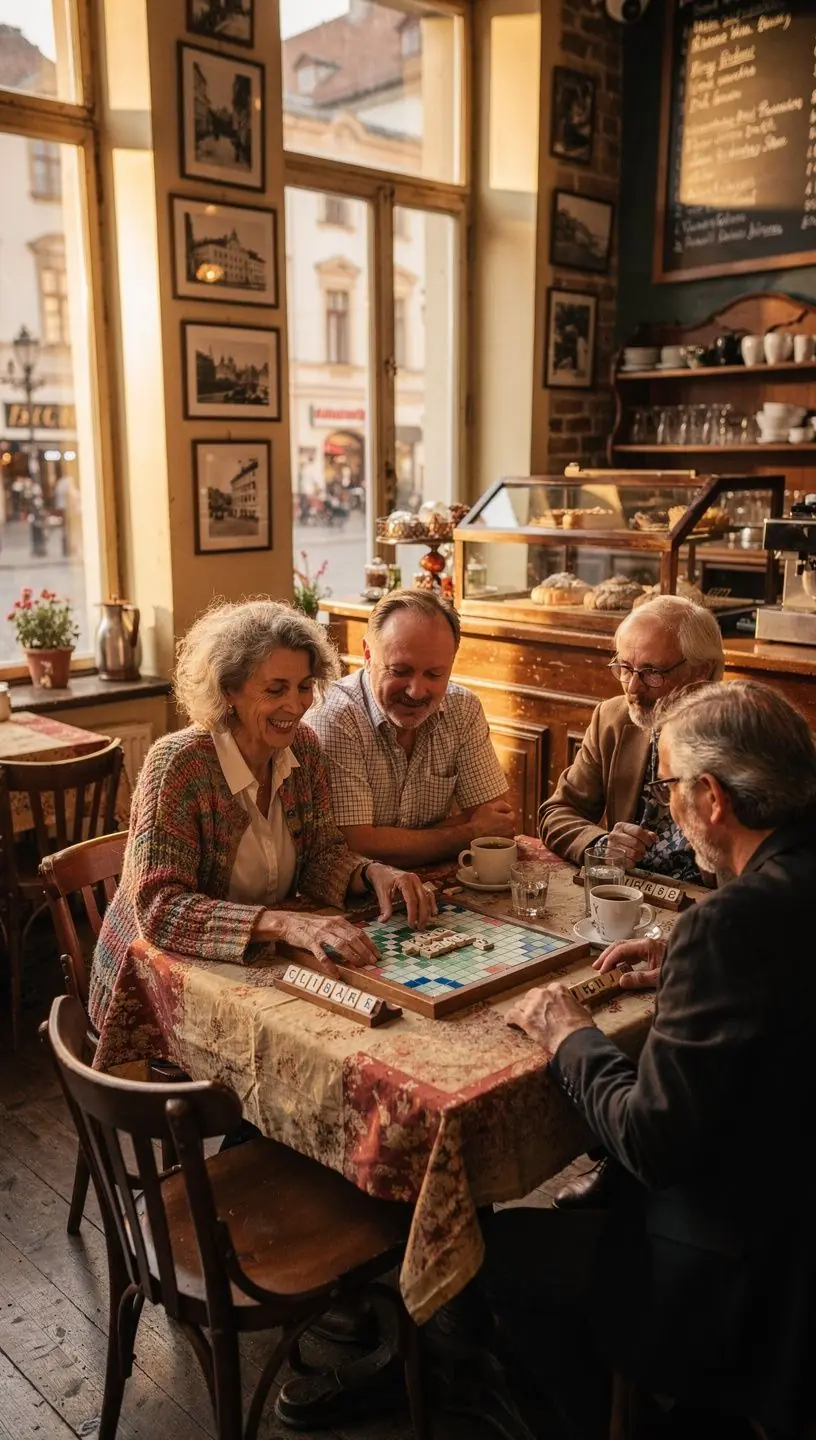
- Promote Diverse Activities: Offer a variety of activities that cater to different interests and abilities, such as board games, live music, or discussion groups. Experts recommend that diversifying activities can attract a broader audience and foster inclusivity.
- Create a Welcoming Atmosphere: Set the tone for your meetup by encouraging participants to introduce themselves and share their interests. This approach helps break down barriers and builds connections among attendees. In many cases, a simple icebreaker can enhance comfort levels significantly.
Communicate Effectively
Clear communication is vital in facilitating an inclusive environment. Use multiple platforms to share information about the meetup, including social media and local bulletin boards. Make sure to include details about accessibility options, expected activities, and any costs involved. Research indicates that well-communicated events typically see a higher engagement rate, as attendees feel informed and prepared.
Encourage Participation
To foster inclusivity, actively encourage participation from all attendees. This might involve:
- Designating roles or tasks within the meetup that allow for varied levels of engagement.
- Creating feedback opportunities where participants can share their experiences and suggestions for future events.
- Providing options for quieter participants to engage, such as online forums or post-meetup surveys, which research shows can lead to increased involvement.
Follow Up and Reflect
After your meetup, follow up with participants to gather feedback. This not only reinforces the value of their input but also helps identify areas for improvement in future events. Many organizers find that reflecting on feedback can lead to more effective inclusivity strategies over time.
Conclusion
Hosting an inclusive community meetup requires thoughtful planning and execution. By focusing on accessibility, diversity of activities, clear communication, and encouraging participation, you can create an environment where everyone feels welcomed and engaged. Remember, the effort you put into inclusivity can significantly enhance your community's overall experience, fostering connections that extend beyond the meetup itself.
Learn More