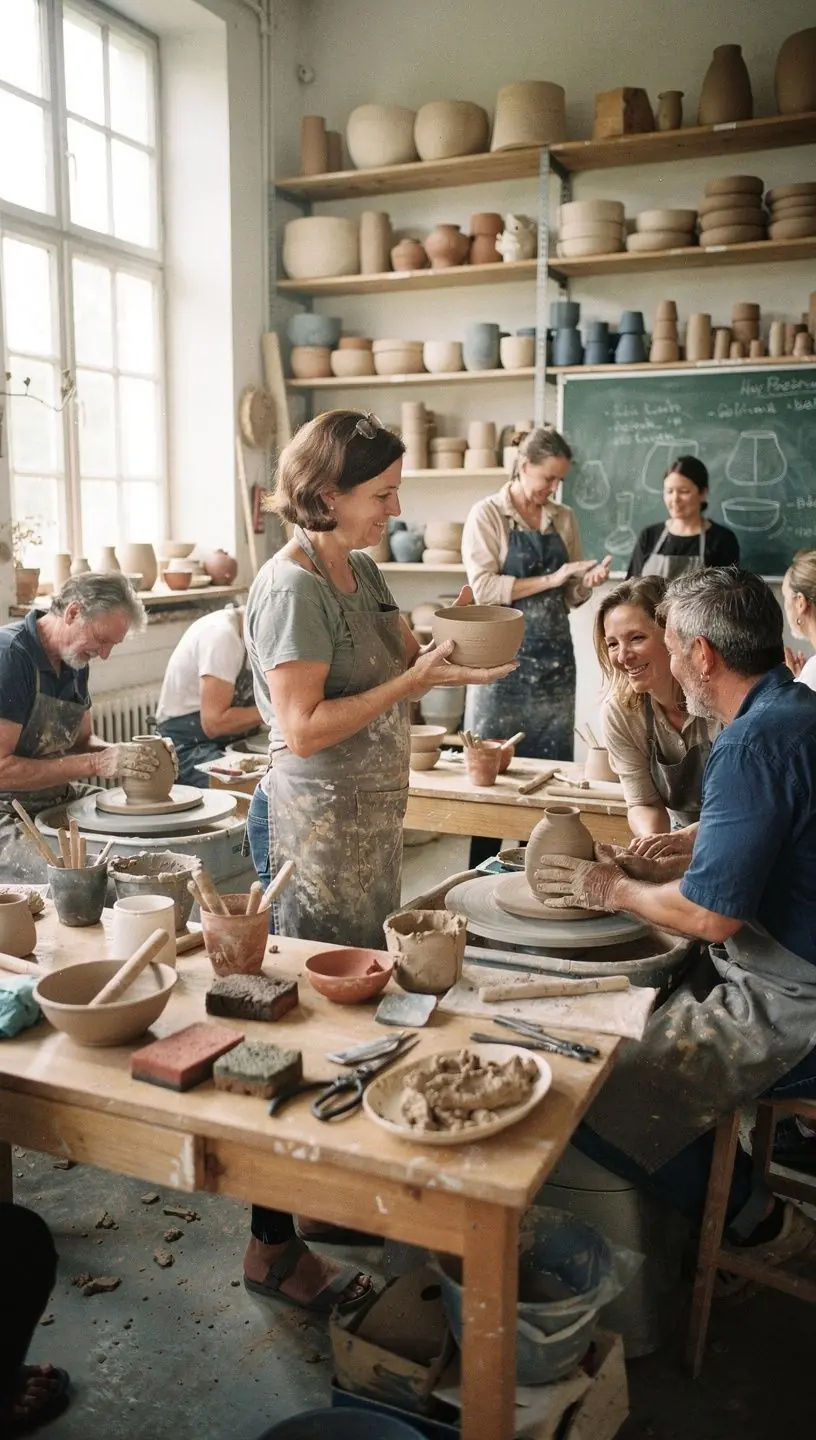
Understanding the Impact of Hobbies on Aging
As we age, maintaining a fulfilling lifestyle is crucial to overall well-being. Engaging in hobbies can significantly influence our health and happiness. This article explores the various effects hobbies can have on the aging process, supported by research and expert opinions.
The Benefits of Hobbies for Older Adults
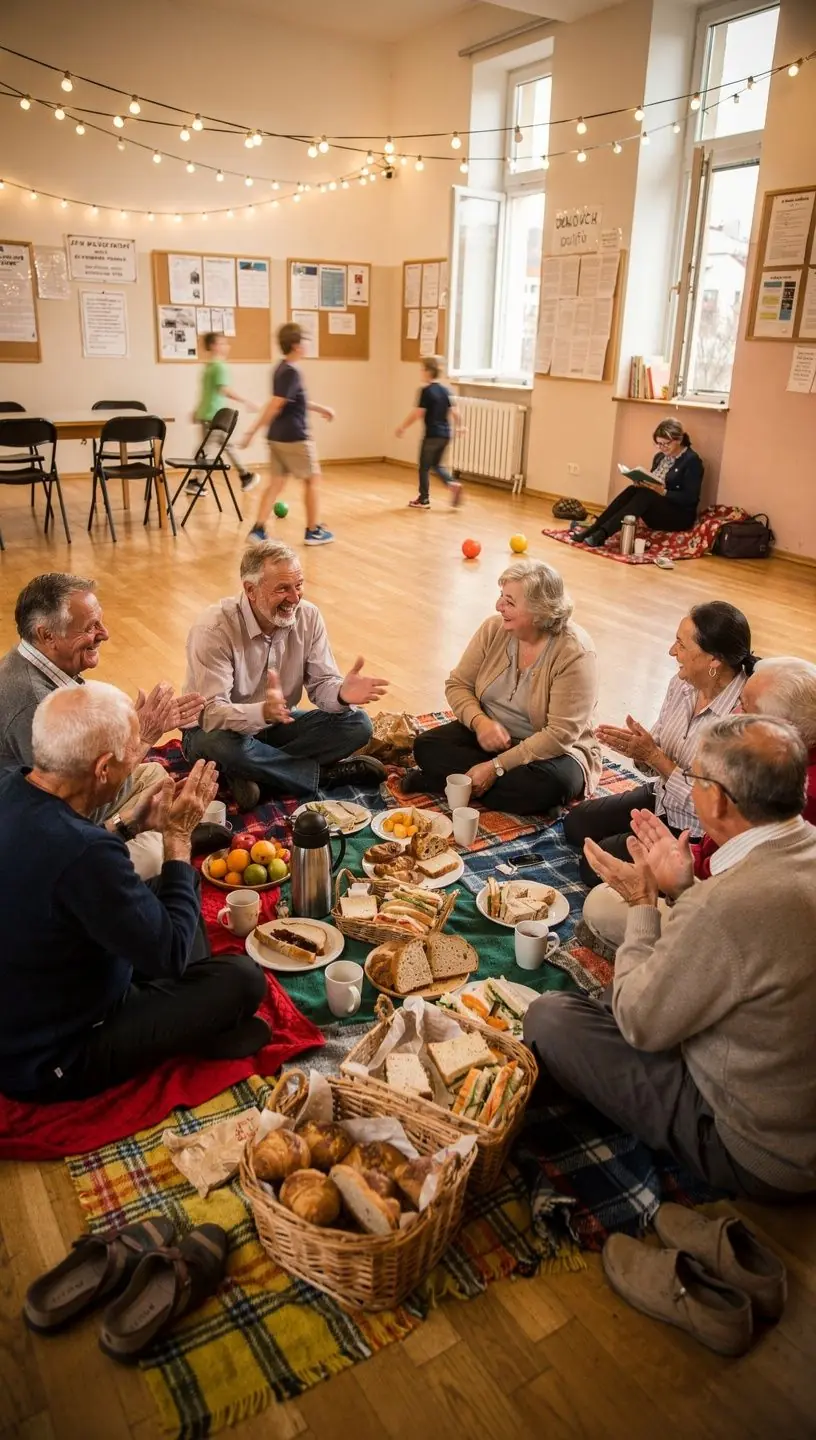
Engaging in hobbies has been shown to provide numerous benefits for older adults. According to a study published in the American Journal of Public Health, individuals who participate in hobbies report higher levels of satisfaction and improved mood. Experts suggest that these activities can help combat feelings of loneliness and isolation, which are common in older age.
How Hobbies Influence Mental Health
Research indicates that hobbies can play a significant role in maintaining cognitive function. Activities that challenge the mind, such as learning a new skill or playing games, have been linked to improved mental agility. In fact, studies show that regularly engaging in mentally stimulating activities can reduce the risk of cognitive decline by up to 30% in older adults.
"Participating in leisurely activities can enhance psychological well-being and can positively affect health outcomes." - National Institute on Aging
Physical Benefits of Hobbies
While mental engagement is vital, physical activities are equally important. Hobbies that involve physical movement, such as gardening or dancing, contribute to better physical health. According to the World Health Organization (WHO), regular physical activity can lower the risk of chronic diseases, improve cardiovascular health, and boost overall energy levels.
Choosing the Right Hobbies
When selecting hobbies, it’s important to consider individual interests and physical capabilities. Here are some tips for finding the right activities:
- Explore Interests: Reflect on past hobbies or new interests that you may want to pursue.
- Consider Physical Needs: Choose activities that match your current fitness level to avoid injury.
- Social Engagement: Opt for hobbies that offer social interaction, such as joining clubs or groups, which can enhance community connection.
Realistic Expectations
Hobbies require time and commitment. Many users report that it can take several weeks to fully engage and derive the benefits from a new activity. Establishing a routine is essential; typically, engaging in a hobby at least a few hours a week is recommended. This approach allows for consistent practice and gradual improvement.
Conclusion
In conclusion, the impact of hobbies on aging can be profound. By engaging in activities that stimulate both the mind and body, older adults can improve their quality of life. While results may vary based on individual circumstances, it is clear that investing time in hobbies can lead to significant mental and physical health benefits.
Learn More